
Electronics & Software
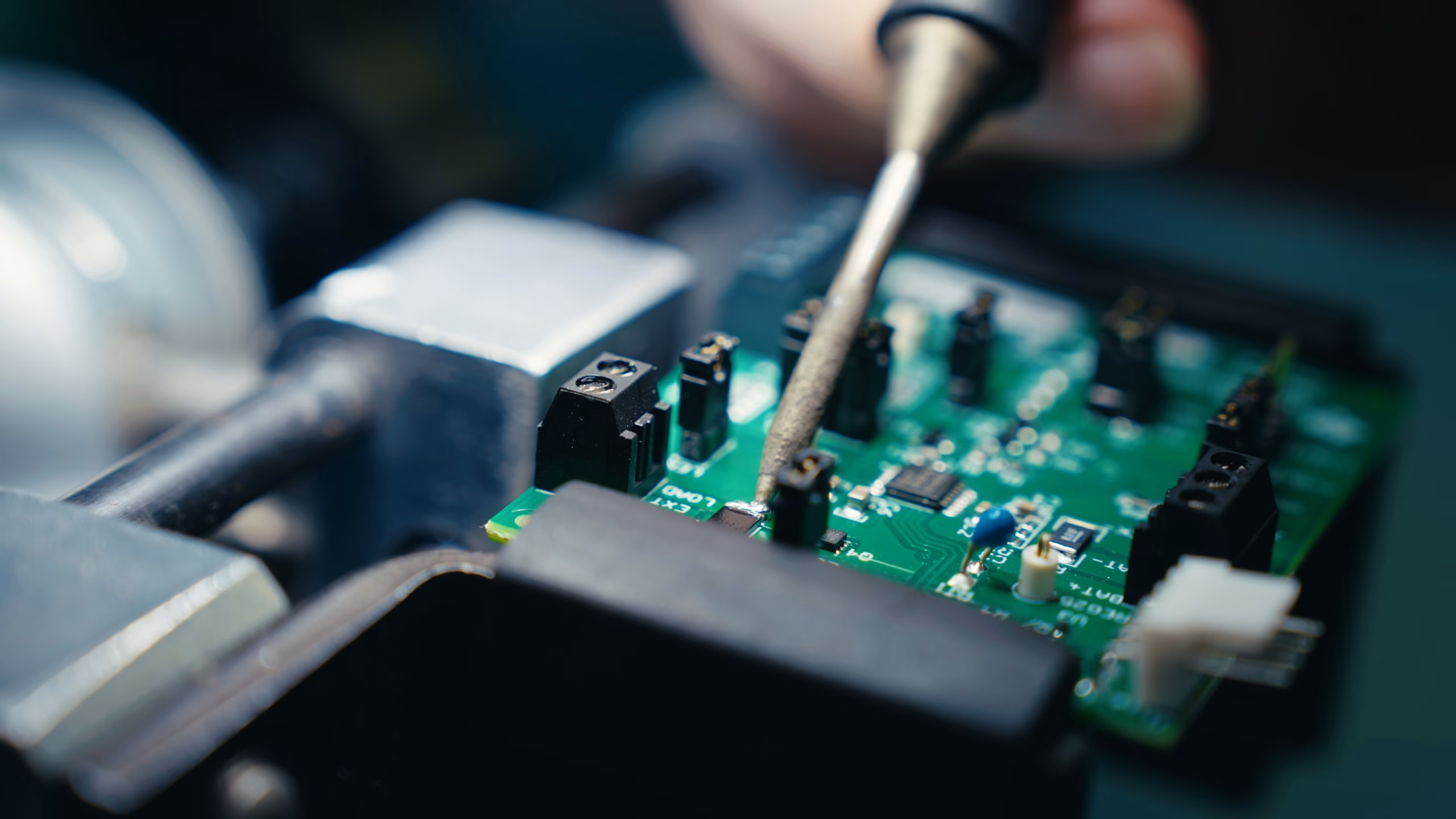
From electronics design to ESD-protected assembly, Sanner offers a full suite of electronics and software services for medical device product development and manufacturing

From electronics design to ESD-protected assembly, Sanner offers a full suite of electronics and software services for medical device product development and manufacturing

We bring complex electromechanical medical devices to life by combining systems engineering, embedded firmware, and custom PCB design to streamline development, align with regulatory requirements, and accelerate time to market, backed by expertise in software and firmware development.
Our engineers design and build both subsystems and fully integrated solutions that perform reliably and meet regulatory requirements, from early concept through market release, reflecting Sanner’s innovation-driven approach as an end-to-end CDMO partner.
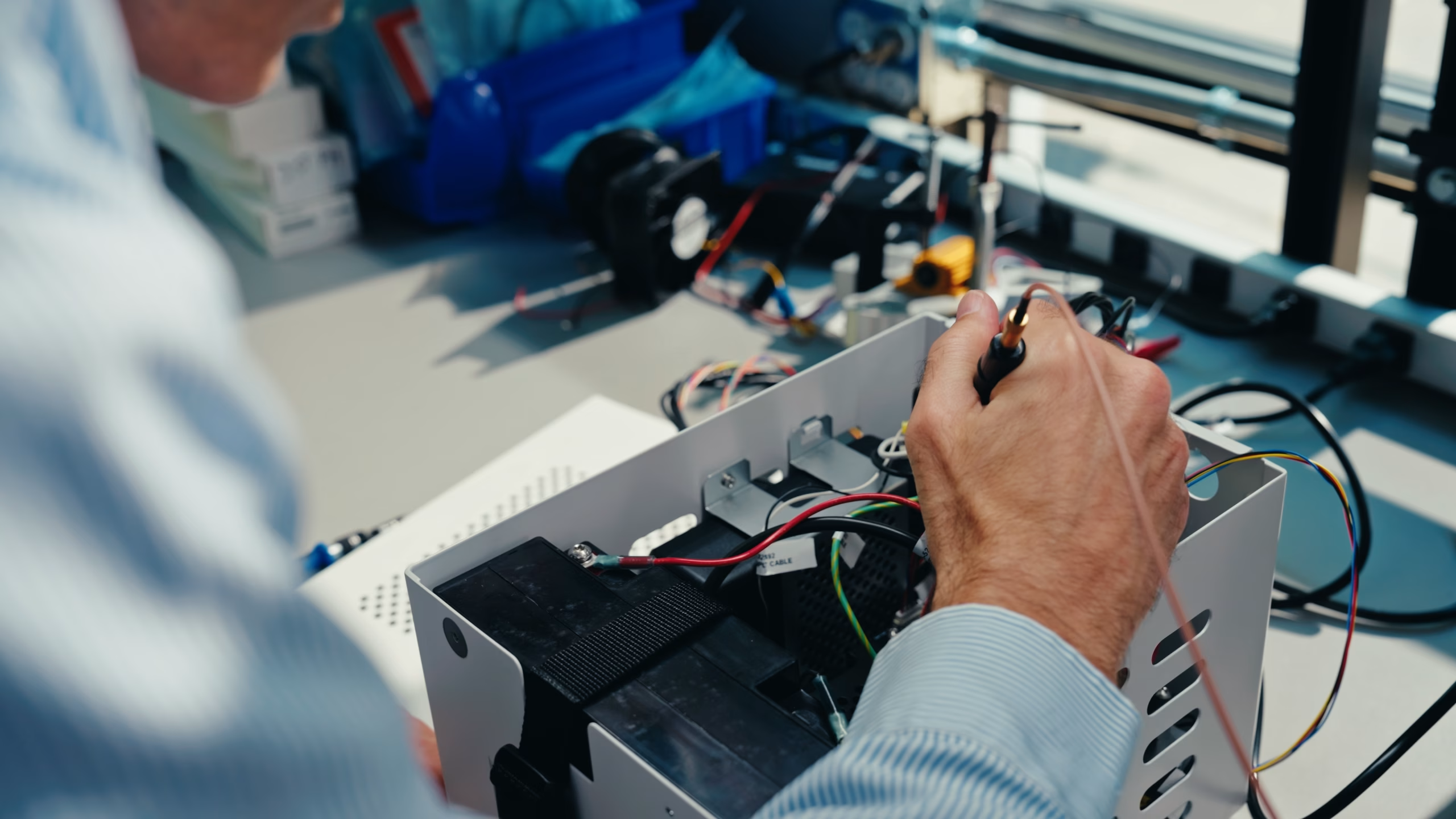
Our systems engineers lead the development of complex electromechanical medical devices by managing product architecture, requirements definition, and seamless integration of software and hardware, to deliver a unified, regulatory-compliant product. We have wide-ranging experience across device types including therapeutics, diagnostics, robotics, electrosurgical instruments, digital health, patient monitoring, wearables, and infusion.
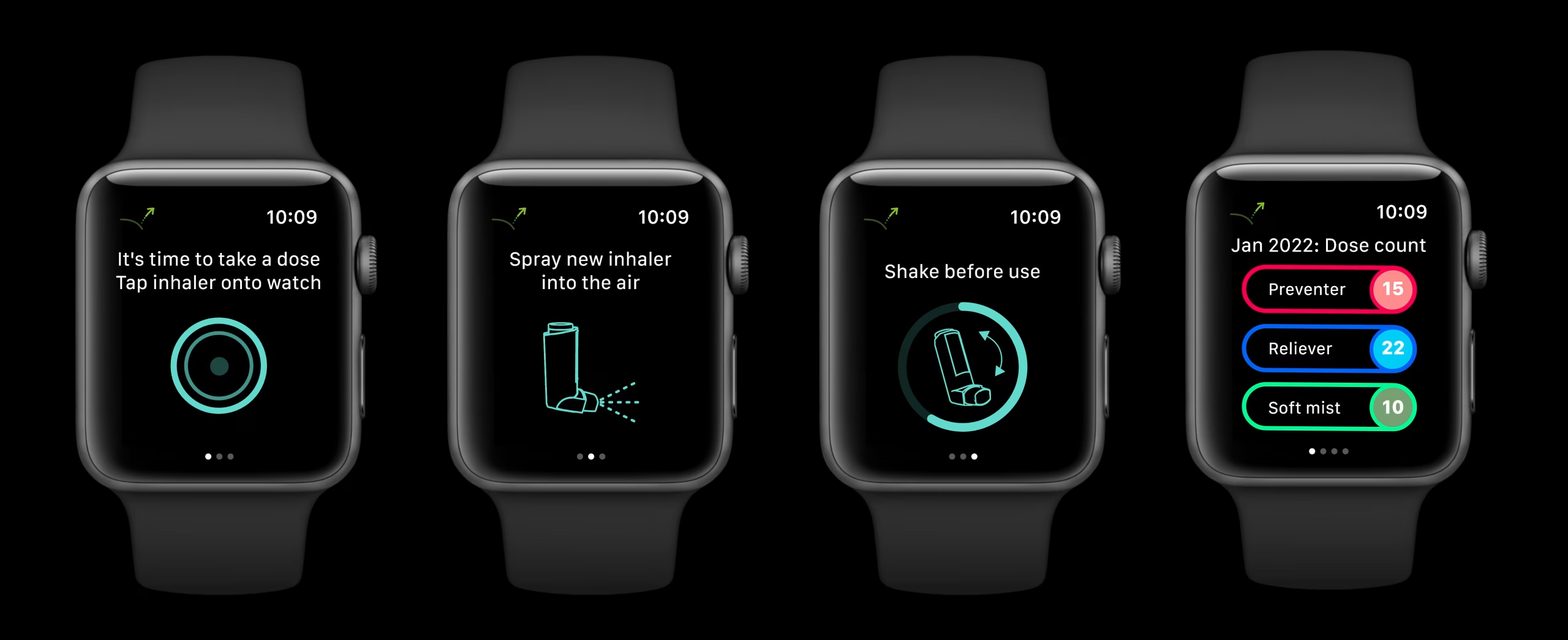
We develop connected health devices and software engineered for seamless device connectivity. With HL7 and EHR system integration, device data flows securely into clinical environment workflows.
Our experience spans infusion pumps (including TIR 101 testing), nebulizers, and other electromechanical delivery systems, as well as capital equipment and consumables. We have extensive experience in bringing complex electromechanical drug delivery devices to market.
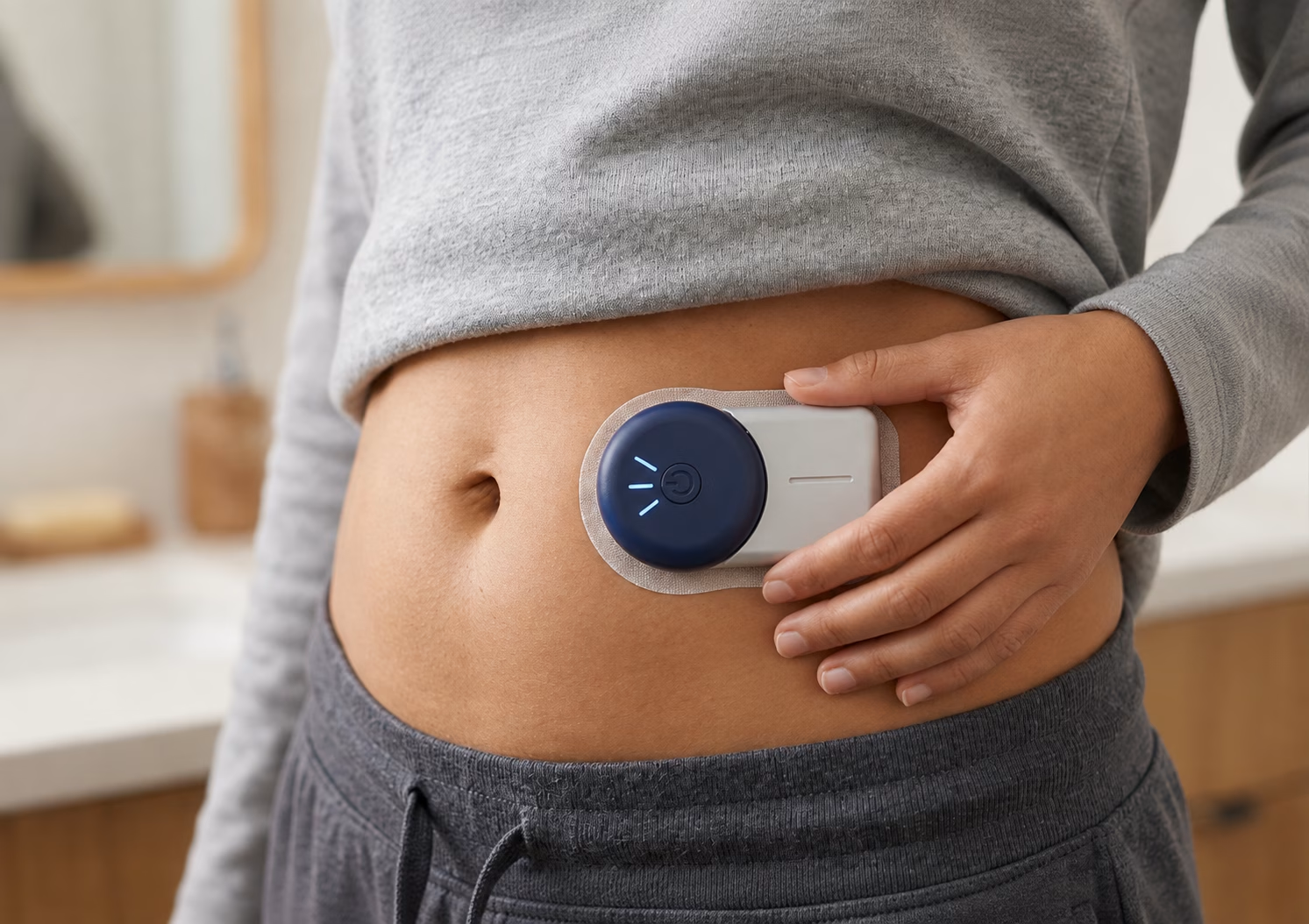
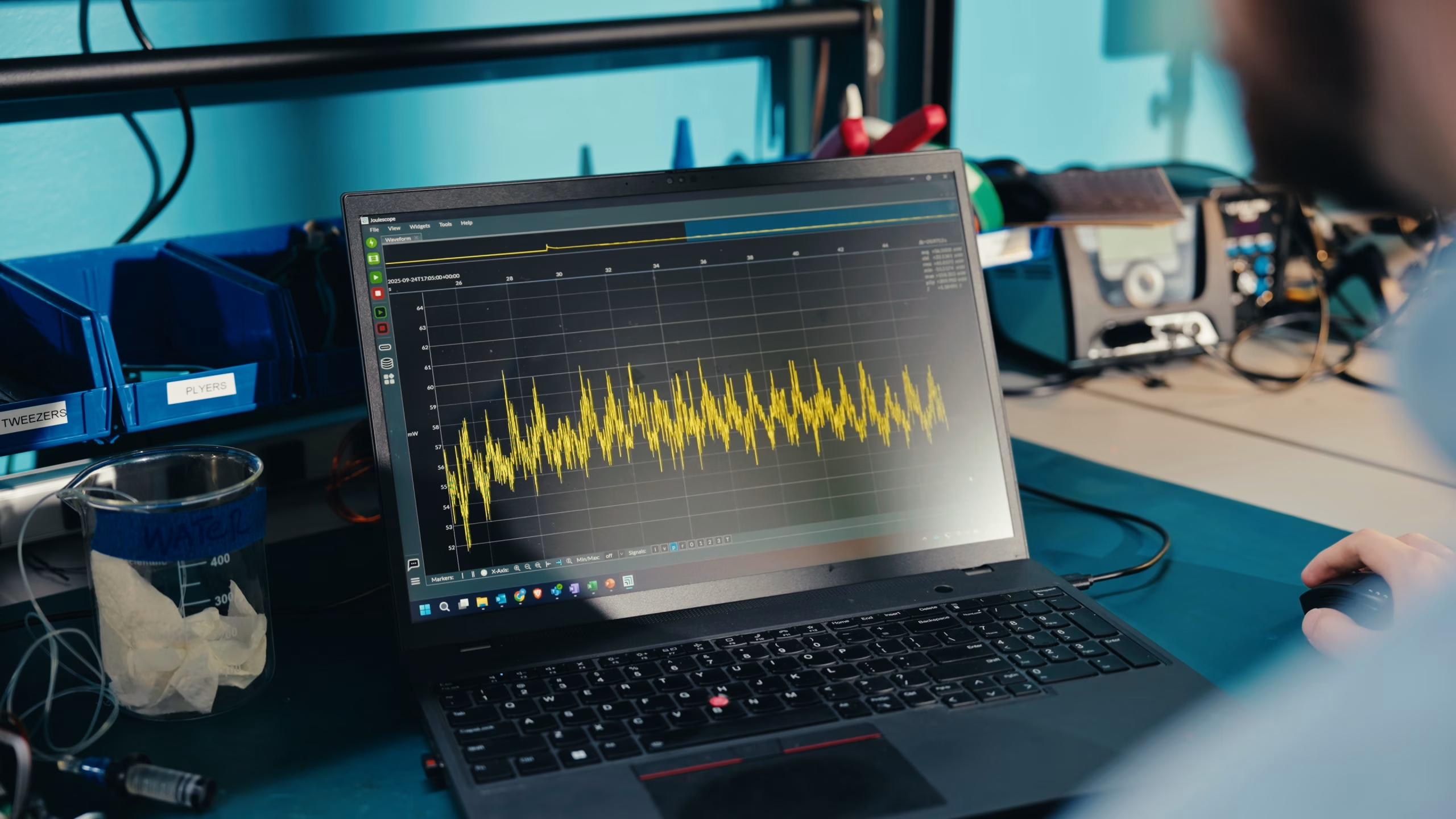
Electronics and software development at Sanner follows the standards that regulators expect: IEC 60601 for electrical safety and EMC, IEC 62304 for software, and structured approaches to cybersecurity and data protection. In addition, our design and manufacturing services are ISO 13485 certified.
Development flows directly into production, with PCB manufacturing and ESD-protected assembly available within our manufacturing network for a seamless transition from prototype to volume production.
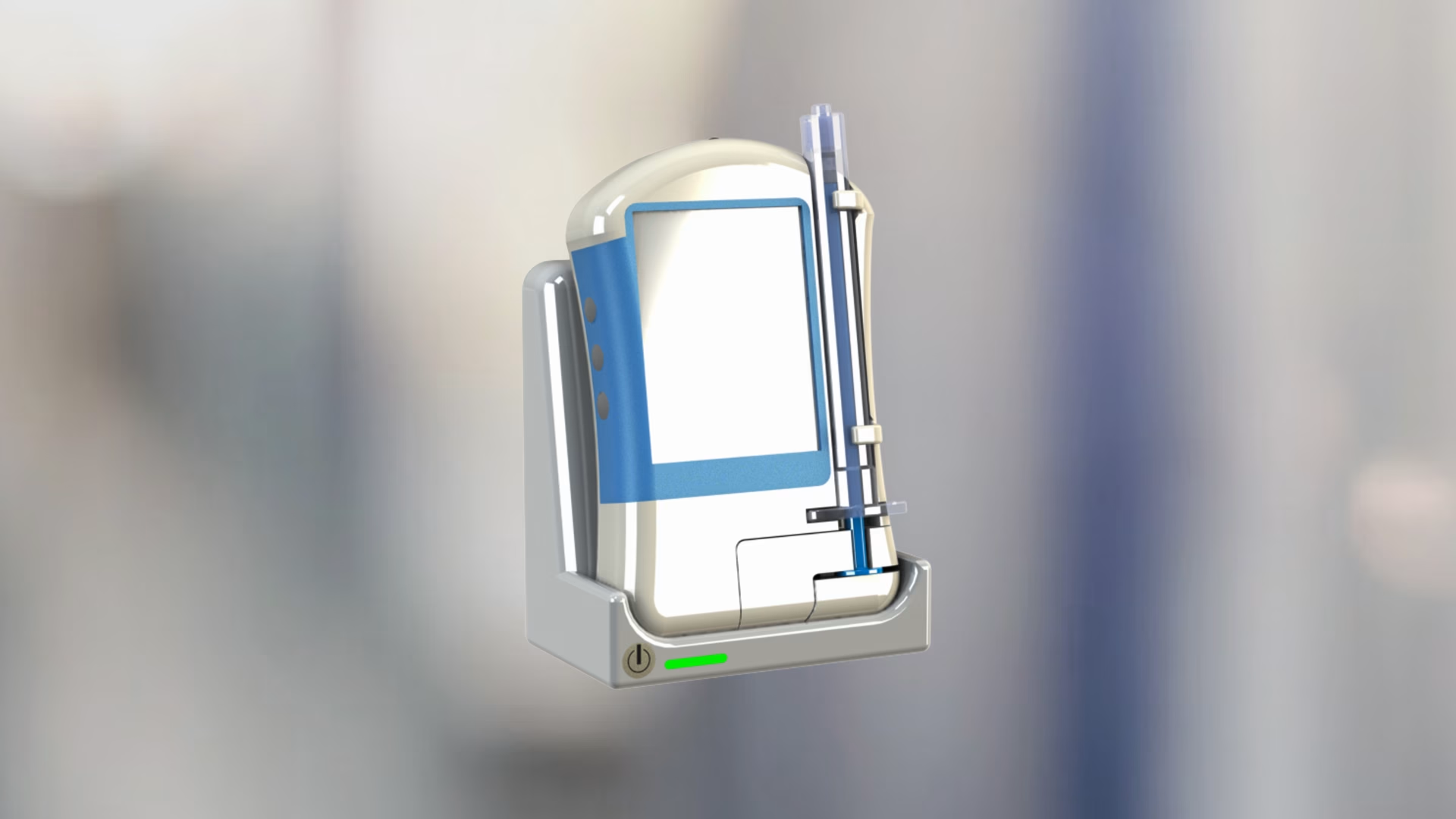
Developing a connected syringe accessory that makes the smallest doses measurable.
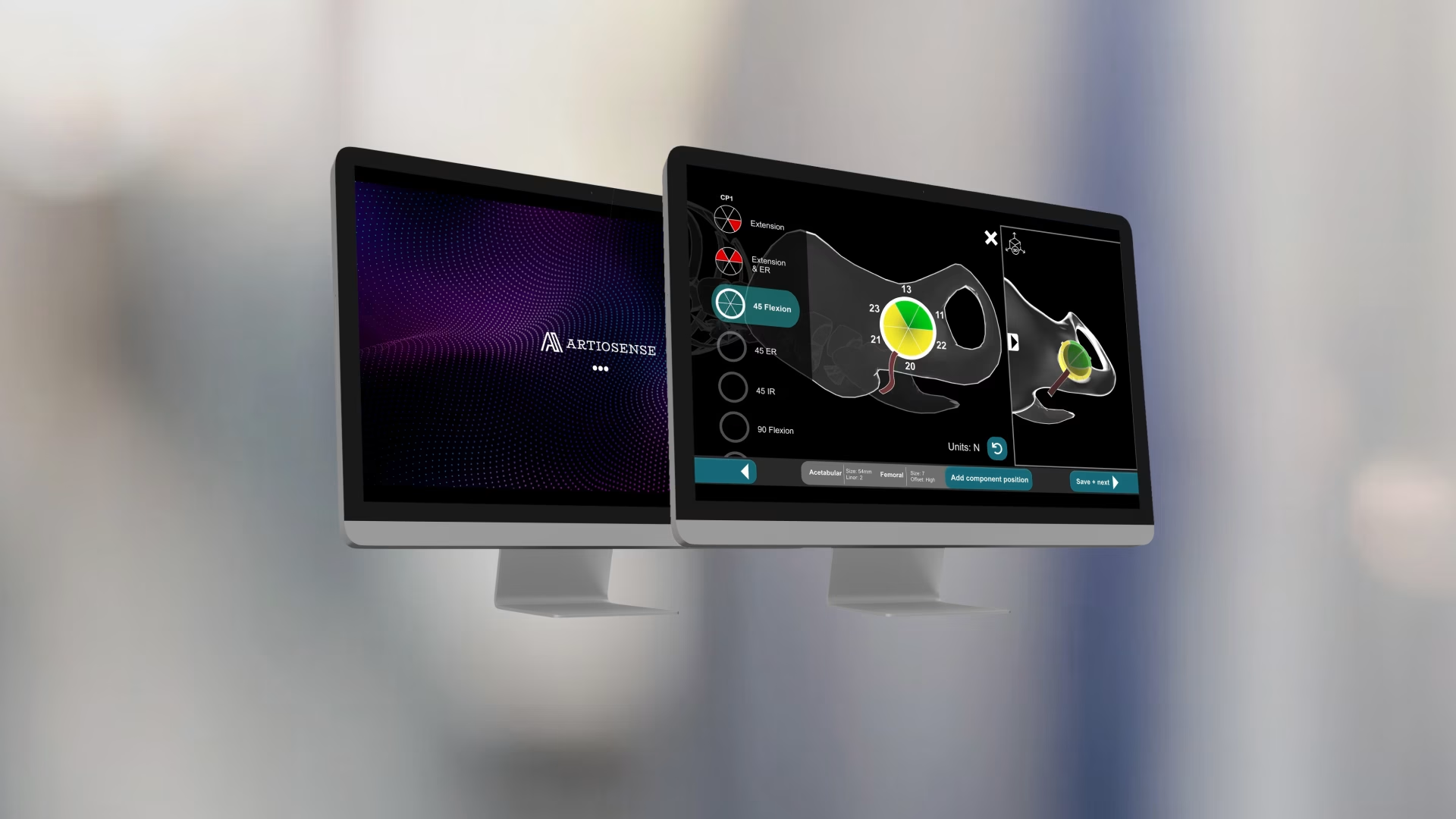
Developing a novel device to help surgeons position artificial hips to improve surgical outcomes.
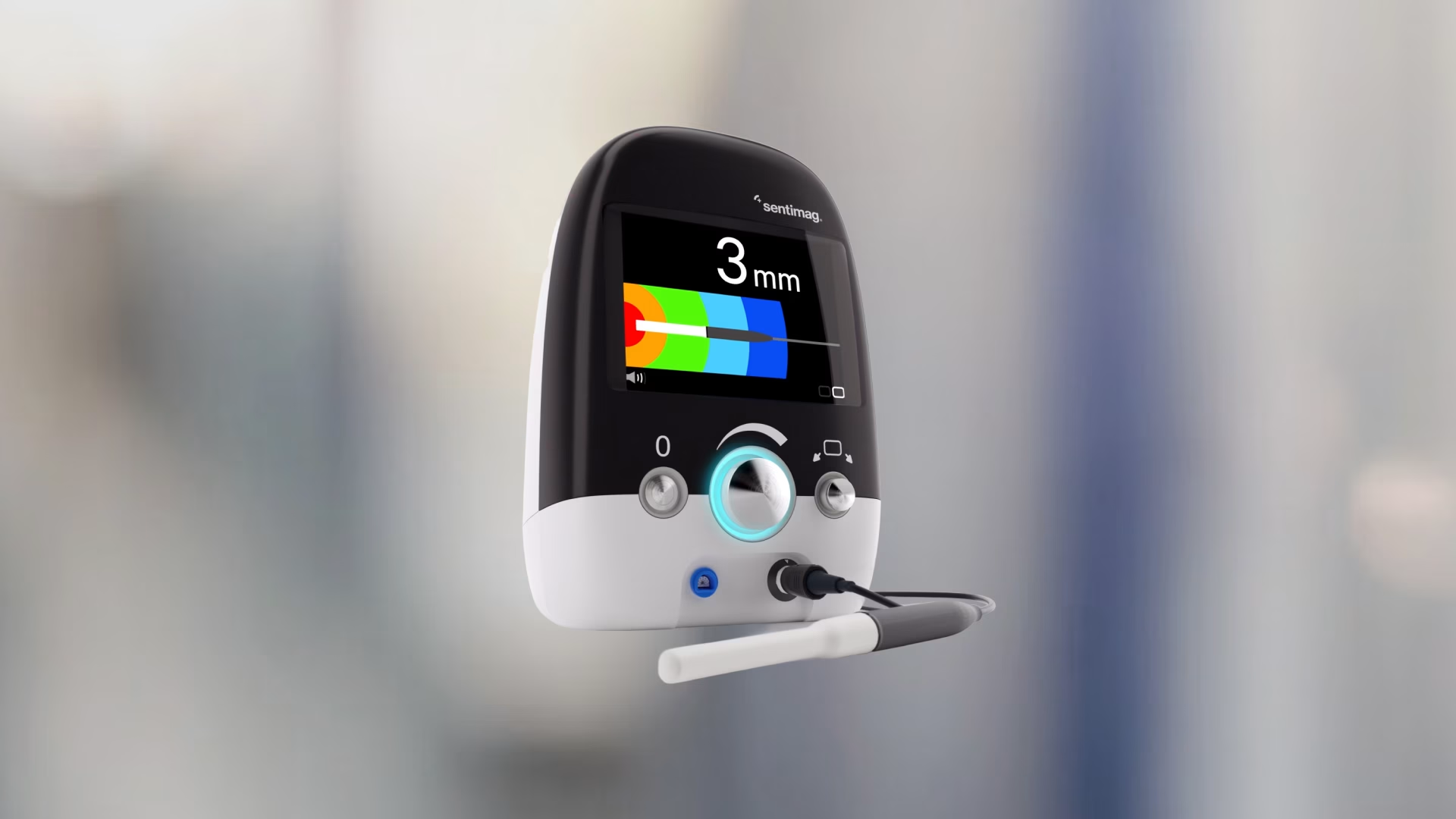
Developing a new device to improve surgical access without sacrificing sensing accuracy.