

Iparágak
Megoldások
Képességek
Rólunk
Betekintések
Iparágak
Megoldások
Képességek
Rólunk
Betekintések
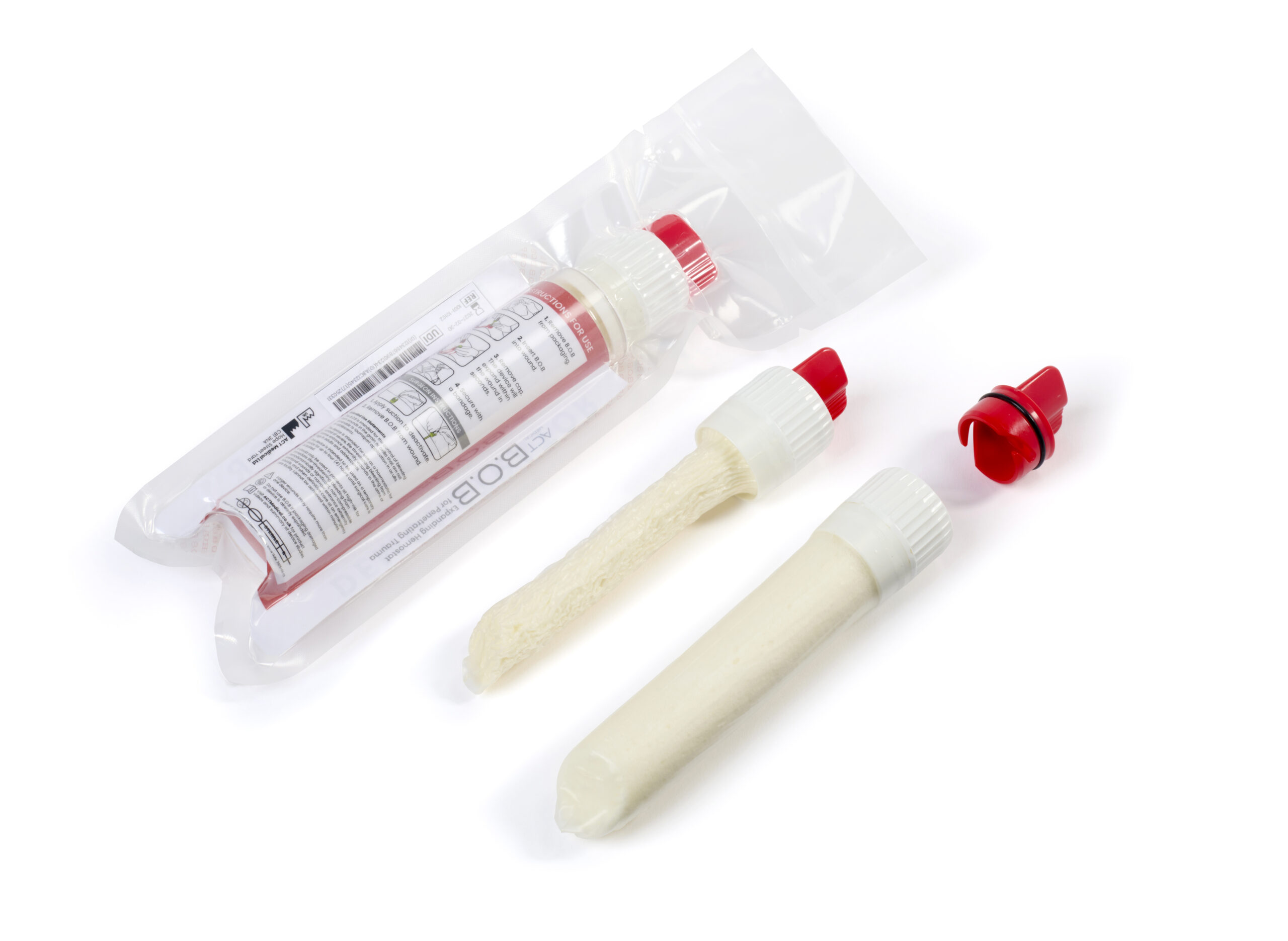
Our client, ACT Medical, is developing a novel device that aims to help first responders stem the bleeding from deep trauma wounds, such as knife or bullet wounds. When ACT Medical initially came to Sanner, they had a prototype device utilizing their innovative hemorrhage control concept made from 11 components, which included 3D printed parts and was manually assembled using small screws. The existing design would have been costly and challenging to produce at high volume while attempting to achieve ACT Medical’s low COGS target. They had also carried out a usability study which had identified some key areas for improvement with the user interface.
Over the 3-4 month period of our project working on the device, we developed an improved user interface design, designed replacement moldable parts and a bespoke welding/assembly process, and produced injection molded parts ready to be assembled into functional devices usable for pre-verification and validation (pre-V&V) testing. The final devices were made from only 6 parts, and with a fraction of the assembly time required to produce devices with a much higher reliability than the initial prototypes.
Deep penetrating trauma wounds—particularly those that result in significant hemorrhage—pose an ongoing challenge in emergency and battlefield medicine. These injuries are especially difficult to manage when they occur in anatomically complex areas such as junctional zones (e.g., the groin, armpit, or neck). In these non-compressible regions, standard hemorrhage control methods like tourniquets are often ineffective or completely unusable.
Existing hemostatic products for treating these types of wounds often suffer from limitations. Many exhibit variable efficacy depending on the wound geometry, patient condition, or application technique. Others can be cumbersome to apply quickly in high-pressure situations. A significant concern shared across many of these products is the difficulty associated with removal during surgical intervention—some materials can adhere strongly to tissue or fragment during extraction, increasing operative time and risk to the patient.
Sanner has been supporting ACT Medical in their development of a novel solution designed to overcome these limitations. Their product utilizes direct internal pressure which aims to rapidly and effectively control hemorrhage at the point of injury, particularly at internal junctional bleeding sites, offering a potentially life-saving alternative where other options fall short.
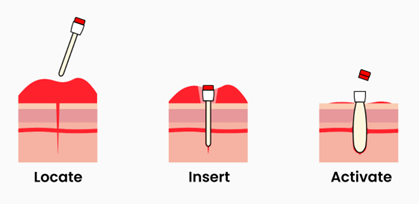
Figure 1: How the device works
Throughout the project, there were a few key areas which were focused on:
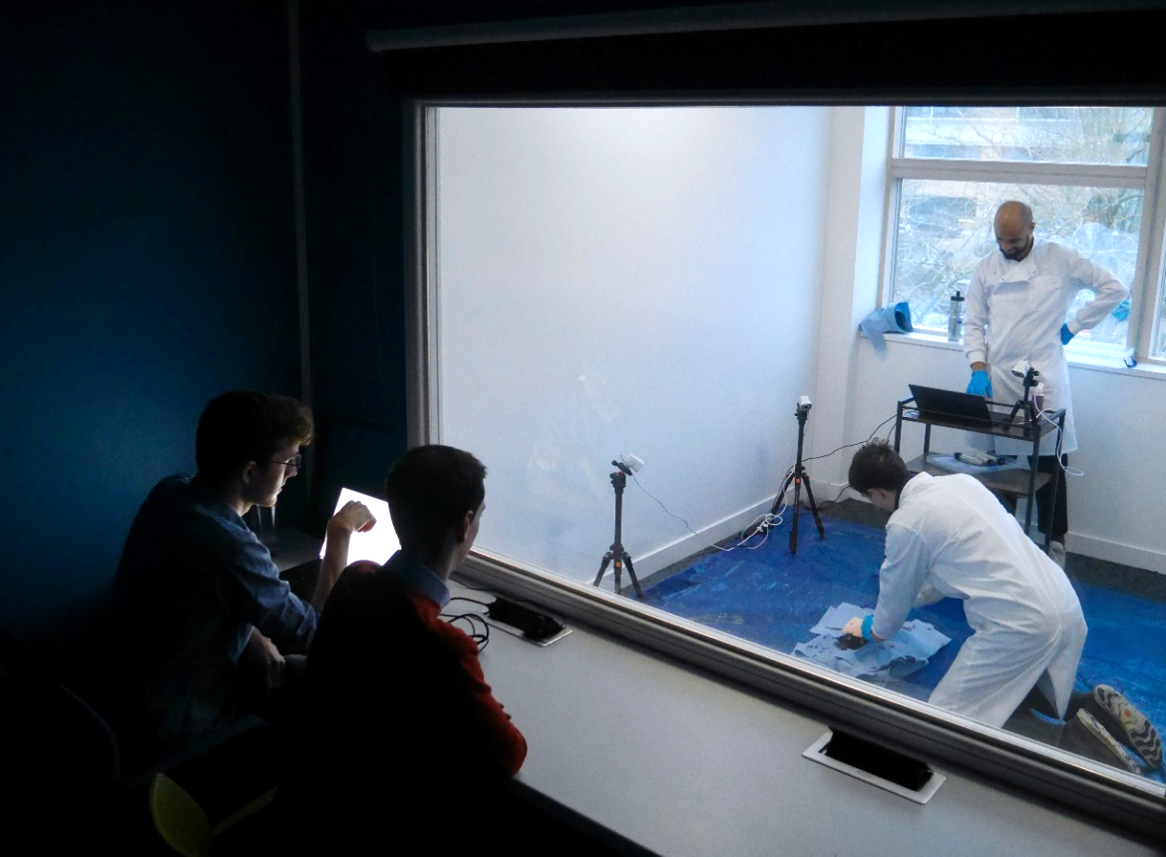
Figure 2: In-house usability testing in our observation room
The outcome of this development phase is a more refined, production-ready product design that balances usability and effectiveness with manufacturing feasibility. These prototypes will provide the evidence needed to support investment decisions, regulatory planning, and design refinement—before committing to scaled manufacturing, potentially in partnership with a specialist manufacturer like Sanner.
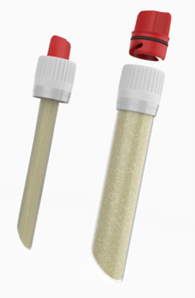
Figure 3: The improved design, ready for pre-V&V testing
For R&D leaders, this is a prime example of how early integration of usability testing, engineering, and manufacturing strategy can accelerate product maturity while reducing downstream risk. By making informed design decisions at this stage, our client is positioning themselves to deliver a product that is not only clinically effective but also viable at scale.