
Industries
Solutions
Capabilities
About
Insights
Industries
Solutions
Capabilities
About
Insights
A combination product is a therapeutic or diagnostic product that combines drugs, medical devices, and/or biological products. A combination product will combine at least two of these product categories and sometimes combines all three. Some of the most common types include traditional drug device combination products, like a syringe prefilled with a drug, and co-packaged or kitted products, like a first-aid kit containing bandages and pain-relieving drugs.
In the US, the Code of Federal Regulations (CFR) classifies combination products as three main types: single-entity, co-packaged, and cross-labeled. A single-entity combination product is comprised of two or more components (drug and device, device and biologic, biologic and drug, or all three) that are combined or mixed to produce a single entity.
A co-packaged combination product consists of two or more components that are packaged together as a unit or in a single package. These combination product types are sometimes also called convenience kits.
A cross-labeled combination product is a device, drug, or biological product packaged separately that according to its investigational plan or proposed labeling is intended to be used only with an approved individually specified device, drug, or biological product where both components are required to achieve the intended use, indication or effect. Put simply, these products are sold separately but labeled for use together.
Combination products have unique regulatory requirements, often leading people to ask “what is the right regulatory pathway for my combination product?” In 2002, the FDA Office of Combination Products was established to classify medical products in the US as devices, drugs, biologics, or combination products, and assign them to an FDA center for review and regulation. The lead FDA investigation center is determined by the product’s primary mode of action (PMOA), which is defined as the single mode of action, providing the most important therapeutic action, of the combination product. For example, if a drug is the PMOA in a drug-device combination product, then the lead center would most likely be the Center for Drug Evaluation and Research. The primary mode of action will also help determine what type of regulatory submission will be required. Common regulatory pathways for combination products based on the PMOA include:
There can still be some ambiguity on how to classify complex combination products. While the Office of Combination Products is not a review center, they do provide guidance on the subject and answer frequently asked questions on the FDA website.
The combination product market continues to grow as pharmaceutical, medtech, biotech and life science companies continue to innovate. Combination devices and combination drug products can provide more targeted treatment, enable better drug delivery, and improve the efficacy of both the medical device and the drug. The market for drug device combination products in particular has seen tremendous growth. According to data shared in 2018 by Research and Markets, the global market is expected to surpass $177 billion by 2024.
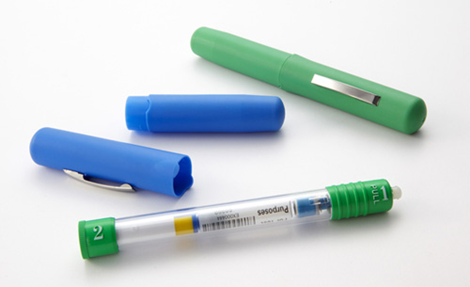
Patients can benefit immensely from these products that simplify drug delivery. For example, drug delivery devices that allow for easier self-dosing, like a single-use prefilled syringe containing one dose of medication, can help to reduce patient dosing errors and increase compliance. Injection systems and pulmonary inhalers currently dominate the drug delivery combination product market.
Because combination products involve components normally regulated under different types of regulatory authorities, they have unique regulatory challenges. The FDA established the Office of Combination Products (OCP) in 2002 to meet increased regulatory demands for combination products and take a holistic approach to evaluating the safety and efficacy of these products. As this technology continues to evolve, and the market grows, regulatory pathways and policies must continue to evolve as well.
Sanner has a breadth of experience with combination medical devices and drug delivery products. Combination product design and development are some of our areas of expertise. Our team can also handle the combination product manufacturing process, including design transfer, device assembly, and kitting and packaging through our 8 in-house manufacturing sites around the world. A few examples we’ve worked on include a lidocaine buffering system, sterile skin anesthetic, topical applicator for antiseptic, metered dose and dry powder inhalers, autoinjectors, ocular injectors, prefilled syringes, and an infusion management system. Contact us today to see how Sanner can help with your next project!