
Solving Solvent Loss in Dual-Syringe Drug Delivery Systems
How Computational Modeling Made the Difference
Industries
Solutions
Capabilities
About
Insights
How Computational Modeling Made the Difference
The loss of solvent at a microscopic level due to a faulty seal at the point of care was causing havoc for one of our clients. Find out how Sanner used computational modelling and testing to solve both a design and material oversight for our client, leading to a continuation of manufacturing.

Recently, we worked on a case involving a two-part palliative cancer treatment delivered via a dual-syringe system. While the concept was sound, an unexpected issue emerged during development: solvent loss through the connecting seal.
The device consisted of two separate syringes connected by a sealed interface, designed to keep components stable until the moment of mixing. However, during testing, it became clear that solvent was permeating through the seal and evaporating.
Although the losses were not visually obvious, their effects were substantial:
This wasn’t just a materials issue — it was a transport problem happening at a microscopic level.

To tackle this, we turned to computational modeling to simulate how the solvent moved through the seal over time. This allowed us to:
Rather than relying solely on trial-and-error testing, modeling provided a fast and detailed understanding of the underlying physics driving the problem.
Key Insights
The simulations revealed several important factors contributing to solvent loss:
These insights made it clear that the issue wasn’t a single failure point, but a combination of design and material considerations.

With a refined design in place, the client can now proceed with manufacturing, reducing delays and ensuring the device meets performance requirements.
Most importantly, this means patients can access the treatment they need.
This project highlights the power of computational modeling in medical device development. When physical testing alone can’t easily reveal the root cause, simulation bridges the gap, turning invisible processes into actionable insights.
In healthcare, where time and reliability are critical, that advantage can make all the difference.
End-to-end development and manufacturing for a product that helps surgeons collect and use bone for grafting.
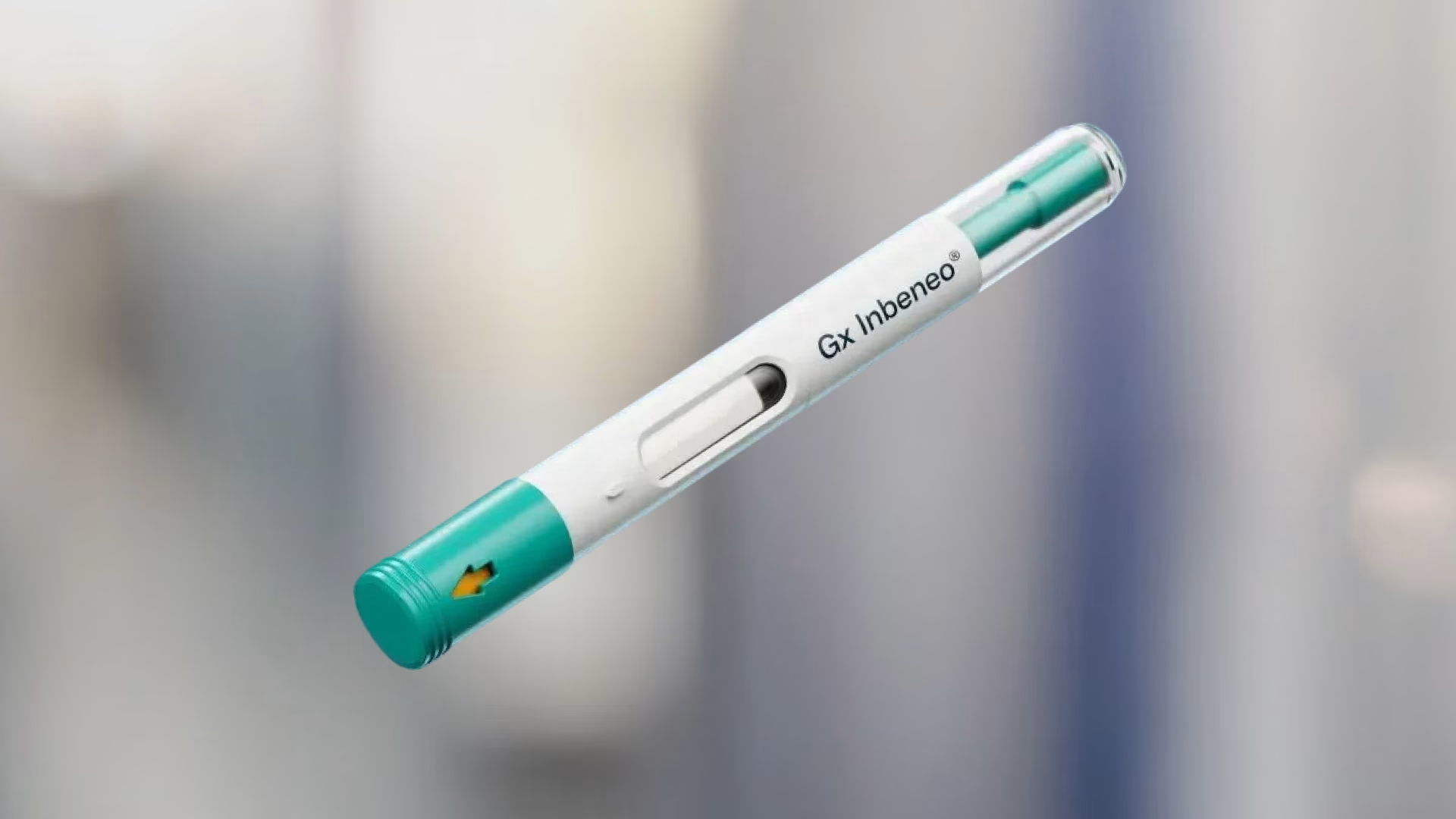
Robust development of a next generation platform autoinjector.
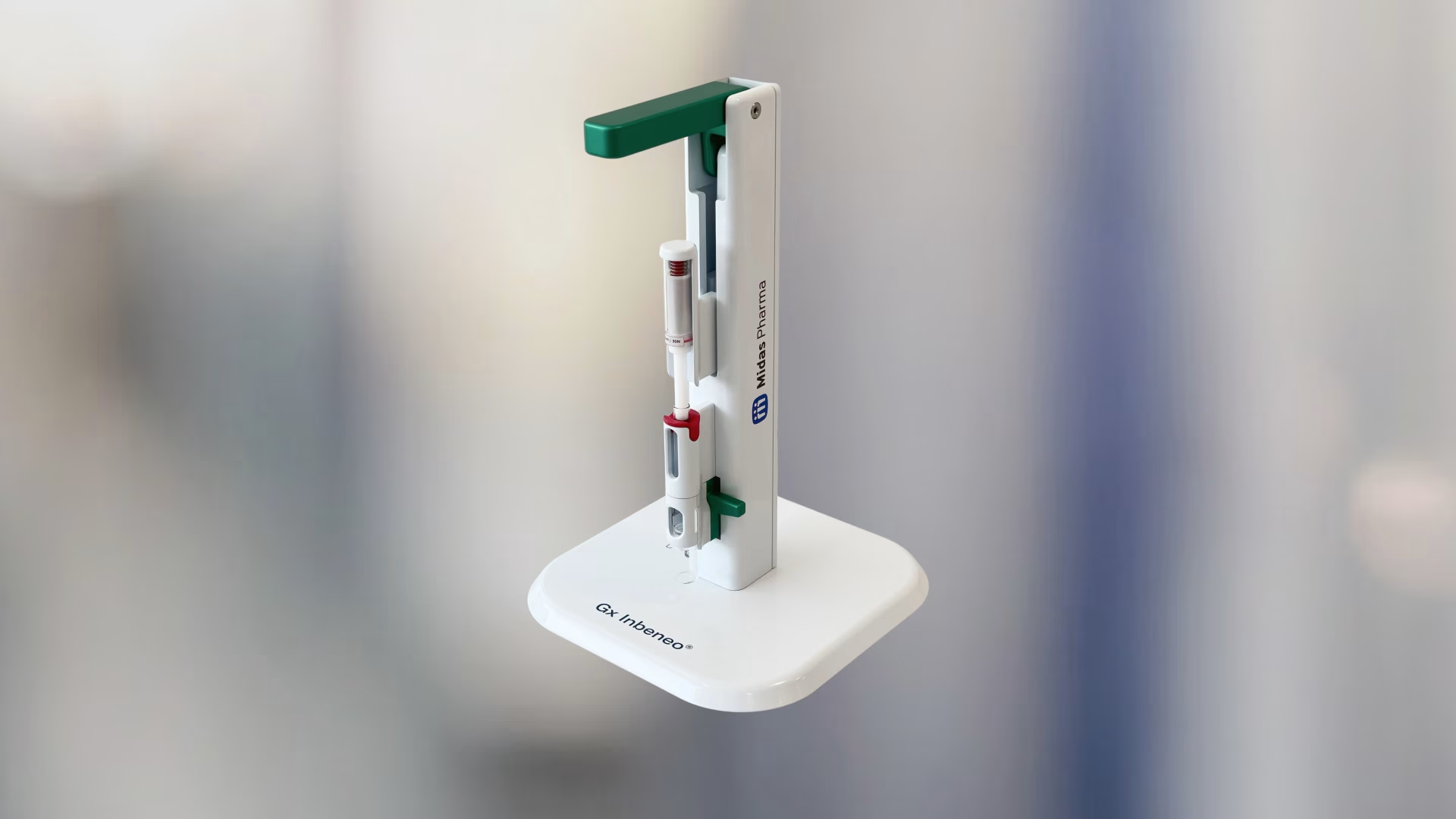
Designing and building a demonstrator to show the effectiveness of a next-generation autoinjector platform.
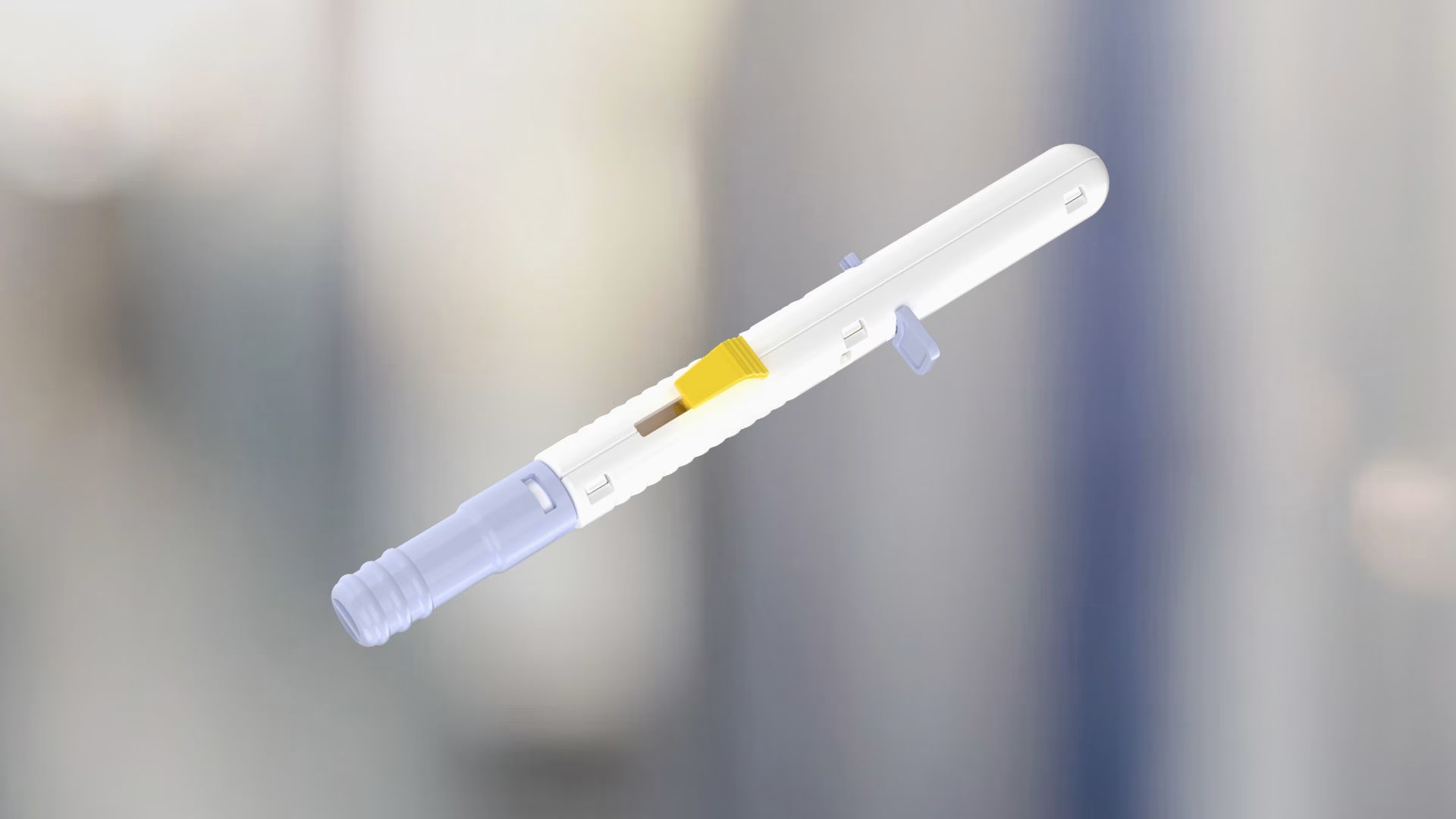
Accelerating the time to market for a novel ophthalmic implant drug.