行业
解决方案
实力
关于
洞察

行业
解决方案
实力
关于
洞察
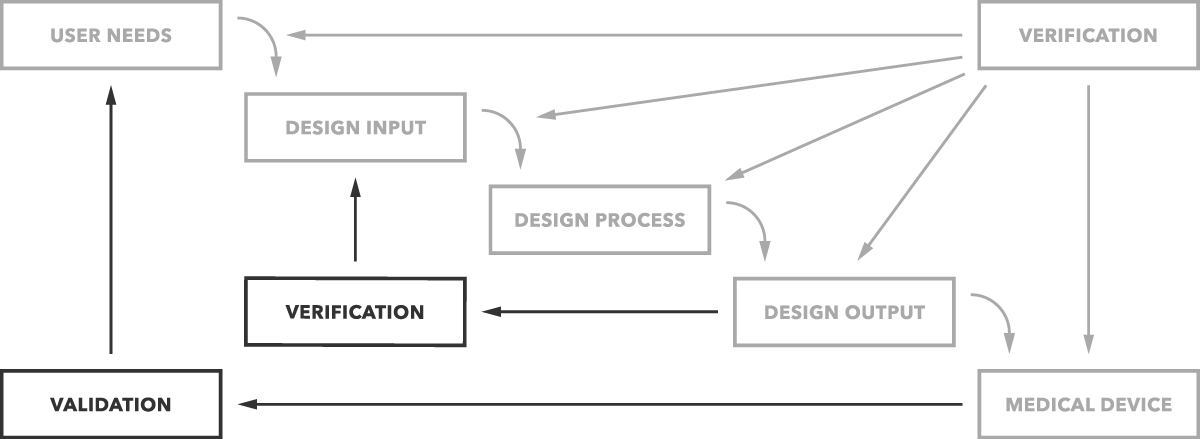
Design verification refers to the process where you confirm through examination and evidence that the final design of your product meets the requirements of the intended consumer. During design verification, the goal is to ensure that your design inputs match your design outputs. Verification not only demonstrates that the product will do what it’s supposed to do, but that it does it in the way the design anticipates. In addition, developers will confirm if the design complies with the necessary requirements, applicable regulations, specifications, and conditions set forth in the design plans and assembly instructions.
Let’s imagine we’re building a portable oxygen concentrator. This device extracts oxygen from the surrounding air and turns it into condensed oxygen for the patient to breathe. During design verification, the following questions can be asked to define specific product requirements:
These questions are crucial for design verification as they ensure that the final product meets all specified requirements and performs as intended. By addressing these aspects, you can confirm that the design aligns with both user needs and regulatory standards.
Design validation is a testing process by which you prove that the device you’ve built works for the user as intended. The FDA states that design validation is “establishing by objective evidence that device specifications conform with user needs and intended use(s).” Design validation is performed to provide evidence that the process consistently produces a result that meets its predetermined specifications. While completing the medical device design validation process, it is important to test the built device in a real-world setting to account for all the possible complications and further ensure that the user needs are met.
Returning to our portable oxygen concentrator example, first we must define our user needs. We know that the patient wants to be able to move around with ease while using the oxygen concentrator. Specifically, the user wants to be able to use the device in all areas of travel, such as air travel. A user need, for example might look like the following:
By conducting validation tests, the oxygen concentrator’s performance is confirmed in real-world scenarios, such as air travel, ensuring it meets the specified design requirements.
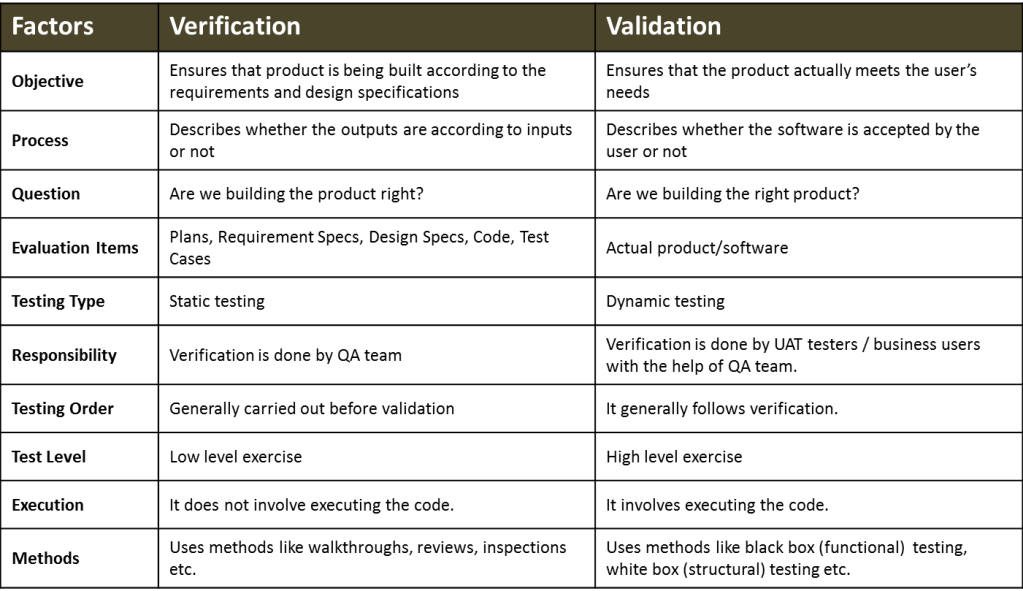
Design Verification and Validation (DV&V) answer two different questions. Design verification answers: Did you design the device right? Design validation answers: Did you design the right device?
Validation differs from verification in that validation focuses on performing specific tests to demonstrate that the device works for the end user properly, while verification focuses on verifying device specifications and confirming that the specific requirements of the design correlate properly to its functionality and usability.
When writing your design inputs for design verification, it is important to keep in mind the following:
The following best practices should be involved in nearly every design validation process:
DV&V is a crucial part of Sanner’s design and engineering process. During our design verification and validation process, our engineers can help you improve your project by determining appropriate manufacturing equipment and fixturing, developing process parameter settings, generating assembly work instructions, and identifying critical inspections based on the output of risk analysis. Design verification and validation protocols will be written based on the requirements, acceptance criteria and test methods developed in the earlier phases. Your device will be tested in accordance with these protocols, and it is important to ensure that the products we are producing and testing are in the same environment and under the same conditions as would be done in normal production to prevent further risk. After performing DV&V testing, updates to risk documentation might be considered to account for any residual risk. At the conclusion of this phase, a traceability matrix is generated to demonstrate that the design outputs align with the design input.