行业
解决方案
实力
关于
洞察

行业
解决方案
实力
关于
洞察
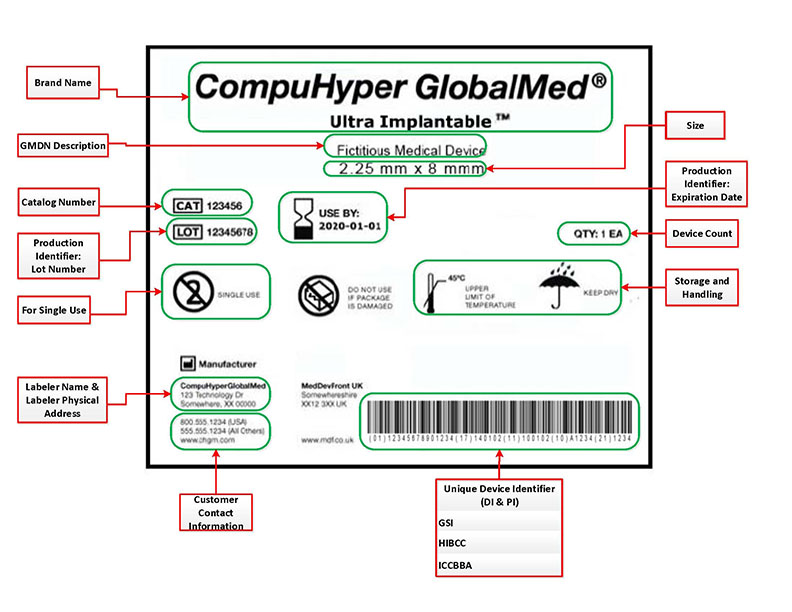
Medical device labeling refers to all of the information that is provided to the consumer with the device itself. This includes symbols, warnings, instructions, and control labels applied to the device or incorporated into the design by color coding, printing, machining, or molding.
Medical device labeling also refers to
Medical device labeling is not just the label on the device, but rather any labels on the pouch, box, instructions for use, etc. The leading international standard for medical device quality systems, ISO 13485, states that a label is any information related to identification, technical description, intended purpose, and proper use of the device.
Medical devices companies that sell their products in the US must adhere to the FDA’s strict medical device labeling requirements. The purpose of these regulations is to help keep medical device users safe. The requirements for labeling a particular medical device depend on what type of device it is and what level of risk is involved.
All medical device labels must include the name and address of the manufacturer, packer or distributor, and directions for use. Beyond these general requirements, medical device companies must determine the intended use and risk classification of their device to pinpoint their specific requirements. The FDA has published detailed regulations in 21 CFR Part 801. In addition, electromechanical medical devices have labeling requirements defined in IEC 60601-1 Clause 7. The usability of the labeling is addressed in IEC 62366. Canada’s regulations can be found in Canadian Medical Device Regulations clause 21. Refer to Medical Device Directive Annex 1, clause 13 for EU regulations.
A medical device label is intended to educate users, namely patients or healthcare providers, on how a device should be used, what risks are involved, and how to safely operate and maintain the device. Given that many medical devices are used by the patient at home, not under supervision by a medical expert, it’s critical that devices give accurate information about how to use and interpret the device to avoid injury, illness, or death.
For instance, a prefilled syringe allowing a patient to administer a measured dose of medication at home could help treat or prevent a specific disease when used correctly. If used incorrectly, a number of adverse effects could occur, such as injury from improper handling of the needle or an incomplete dose of medication. Because of these scenarios, a thorough analysis of human factors and usability testing is necessary to ensure device labeling covers all bases.
Given how lengthy and varied medical device labeling requirements can be, the process can be tricky for medical or pharmaceutical companies attempting to create this labeling. Tips for what to do and what to avoid are outlined below. Note that each jurisdiction has its own requirements, so be sure to check regulations for each country or region where you plan to commercialize the device.
When labeling medical devices, do:
The following should be avoided on medical device labels:
Learn more from Sanner in these posts: FDA 510(k) Submission Process: An Introduction & How-To Guide and Combination Products: Definition & Overview.
Sanner is a trusted partner for medical and drug delivery devices from start to finish. For more information about our services and capabilities, contact us today.