
行业
解决方案
实力
关于
洞察

行业
解决方案
实力
关于
洞察
Navigating the intricacies of medical device class regulations is crucial for manufacturers and innovators. In this article, we delve into what it means to be 510(k) exempt, shedding light on its significance, benefits, and considerations. We hope to help you streamline your regulatory path and bring innovative medical solutions to the market more efficiently!
A 510(k) is a premarket submission made to the US Food and Drug Administration (FDA) to demonstrate that the device being marketed is safe and effective. The purpose of the submission is to demonstrate that your medical device is substantially equivalent to an existing device (predicate device) on market today. A 510(k) is required if the device was manufactured to the inventor’s own specifications and is intended to be marketed in the US. FDA clearance through the 510(k) process means the agency agrees with the manufacturer that the medical device is similar to a previously approved predicate device.
Some medical devices are not required to undergo the traditional 510(k) submission process to obtain clearance from the FDA before marketing in the US. Devices that are considered low risk typically have well established safety profiles and do not present significant risks to patients; these devices may qualify for exemption. If the device is exempt from submitting a 510(k), it still needs to comply with applicable regulatory requirements in accordance with FDA guidelines, such as medical device labeling, good manufacturing processes (GMPs), quality systems, and post-market surveillance. Any change to the device design or intended use may require a new submission to ensure continued compliance.
There are four groups indicated by the FD&C Act and 510(k) regulation (21 CFR 807) who would be responsible for the completion of a 510(k) submission for medical devices. They include:
To qualify for a 510(k), submitters must compare their device to one or more legally marketed predicate devices and make and support their substantial equivalence claims. A device is substantially equivalent if, in comparison to the predicate if it:
510(k) application submissions require specific information and documentation, as well as appropriate methods, to demonstrate the substantial equivalence of a new medical device to a legally marketed predicate device. In contrast, PMA (Premarket Approval) is required for high-risk Class III medical devices that do not have a predicate device. The specific requirements for a 510(k) submission can differ based on the device type, complexity, and risk classification.
The following are key deliverables typically required within a 510(k) submission for medical devices:
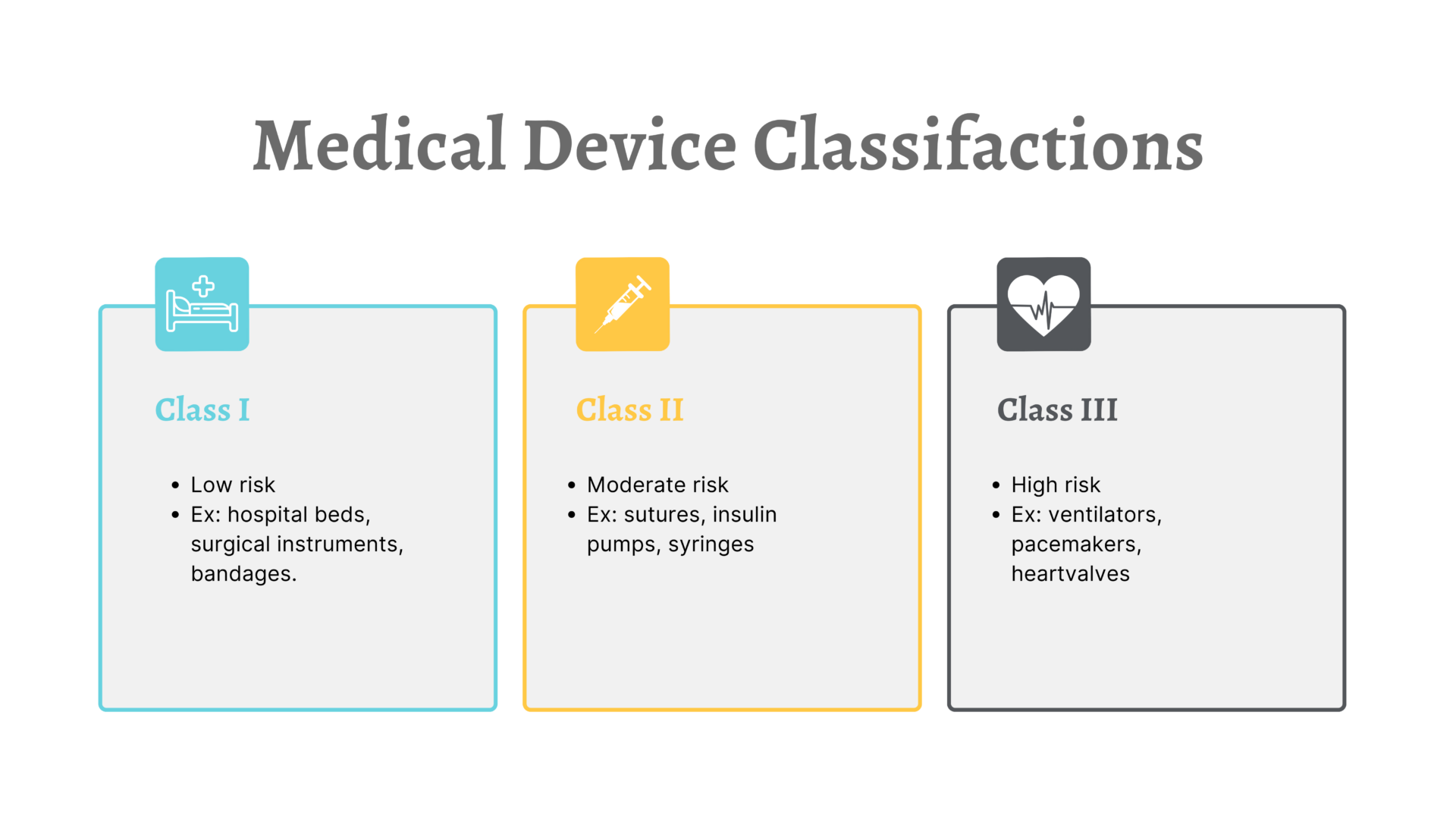
Most class I and class II devices are exempt from 510(k) requirements. Devices that may be 510(k) exempt include:
A list of class I and class II devices exempt from 510(k) requirements is available on the FDA website.
If your device qualifies for a 510(k) submission, our experienced regulatory team can help you at any point in the approval process. Sanner can provide on-going consultation services throughout a product’s life cycle, or as new requirements are published by regulatory agencies. Our regulatory experts at Sanner can perform regulatory assessments, select predicate device(s), as well as author and submit the 510(k) on your behalf. After submission, we participate and manage our client’s involvement in the FDA’s review process, including facilitating any FDA inspections. Sanner works with clients to satisfy any requests and requirements resulting from the review process, resulting in a more efficient path to market.